Cervical radiculopathy occurs when a nerve in the neck becomes irritated or compressed. While the issue starts in the cervical spine, symptoms are often felt in the shoulder, arm, or hand.
You may hear this described in different ways, including “pinched nerve” or nerve-related neck pain.
At Atlas Chiropractic, we focus on identifying what’s causing the irritation and helping your body move and function more comfortably over time.
Because nerves in the neck travel into the arms and hands, symptoms are often experienced beyond the neck itself.
You may notice:
Symptoms are often one-sided and can vary depending on which nerve is involved.
Cervical radiculopathy is not a single condition—it’s the result of pressure or irritation affecting a nerve in the neck.
Common causes include:
Disc Herniation
A disc pressing on a nearby nerve is one of the most common causes.
Spinal Degeneration or Arthritis
Changes in the joints of the spine can reduce space for nerves.
Joint Dysfunction & Movement Stress
Restricted motion or poor movement patterns can increase strain on the neck.
Muscle Tension & Soft Tissue Irritation
Tight muscles can contribute to pressure and discomfort in the area.
Because multiple factors may be involved, identifying the right cause is essential for effective care.
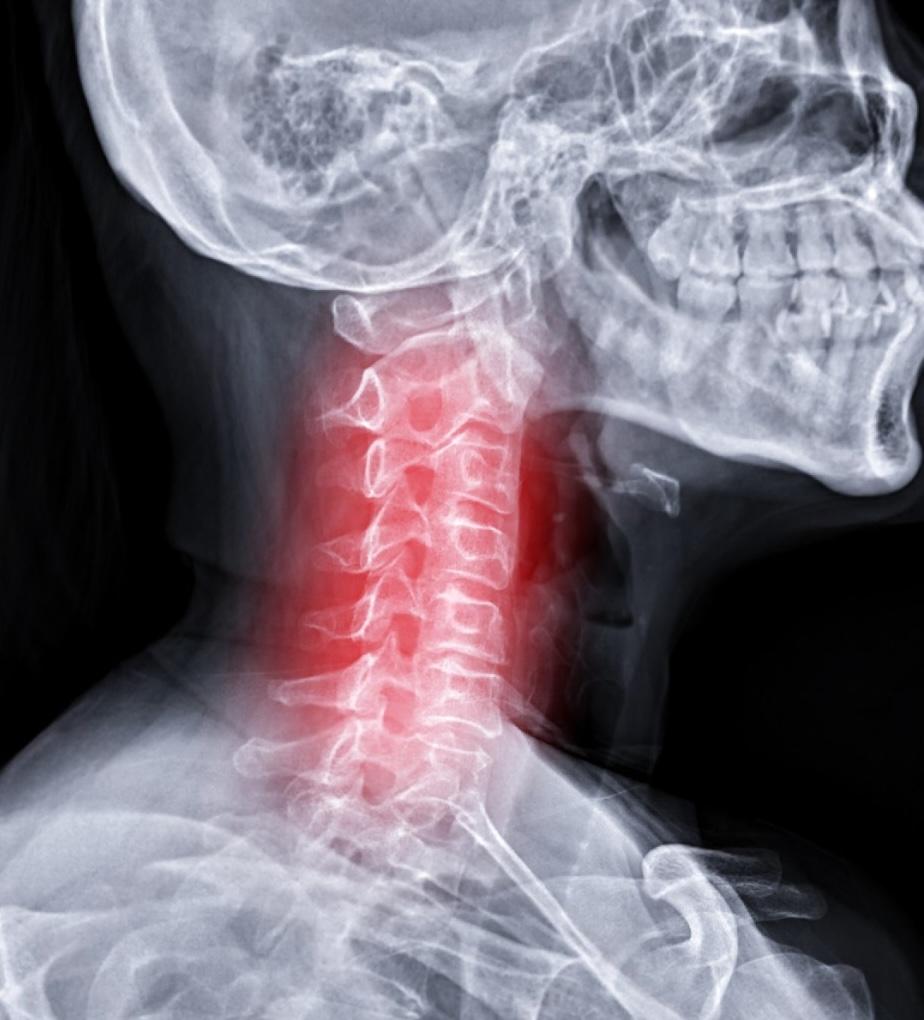
Some cases improve with time, but others can persist or worsen without proper care.
You should consider getting evaluated if:
Seek immediate medical attention if you experience:
At Atlas Chiropractic, your safety is always the first priority before beginning care.
We don’t treat nerve pain based on imaging alone. Instead, we focus on how your symptoms behave and how your body responds to movement.
Our approach includes:
Care is adjusted over time based on your progress and response—not a fixed protocol.
Your treatment plan will depend on what’s contributing to your symptoms and how your body responds to care.
Options may include:
The goal is to reduce irritation to the nerve while helping your body move and function more effectively.
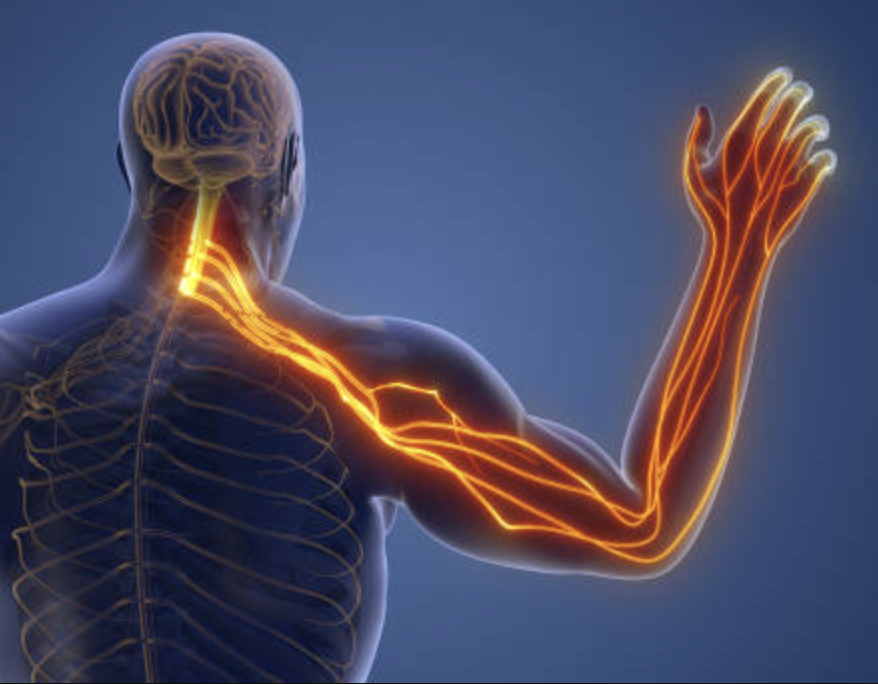
Nerve pain is often influenced by multiple factors, including movement, posture, and how your body responds to stress.
Our approach focuses on:
By addressing these areas together, many patients experience meaningful improvement in both symptoms and function.
