If you’ve been told you have spinal stenosis, it can feel concerning. The idea of the spine “narrowing” often leads people to think surgery is the only option—but that’s not always the case.
Spinal stenosis refers to a narrowing of spaces in the spine that can place pressure on nearby nerves. While this sounds serious, many people are able to manage symptoms and improve function with the right approach.
At Atlas Chiropractic, we focus on helping you move better, reduce irritation, and improve your ability to stay active and independent.
Spinal stenosis can affect the lower back or the neck, and symptoms vary depending on which nerves are involved.
You may experience:
Many people notice that symptoms are worse when standing upright and improve when bending forward or resting.
Spinal stenosis is most often the result of changes in the spine that occur over time rather than a single injury.
Common contributing factors include:
These changes can reduce the space available for nerves, leading to irritation and symptoms.
It’s important to understand that imaging findings alone don’t determine how you feel. Two people can have similar scans but very different symptoms.

Spinal stenosis is often manageable, but it’s important to know when to seek care.
You should consider getting evaluated if:
Seek immediate medical attention if you experience:
At Atlas Chiropractic, we always begin by determining whether care is safe and appropriate for your condition.
We don’t treat spinal stenosis based on imaging alone. We focus on how your body is functioning and what’s contributing to your symptoms.
Our approach includes:
From there, we create a personalized plan designed to reduce irritation and improve how your body moves.
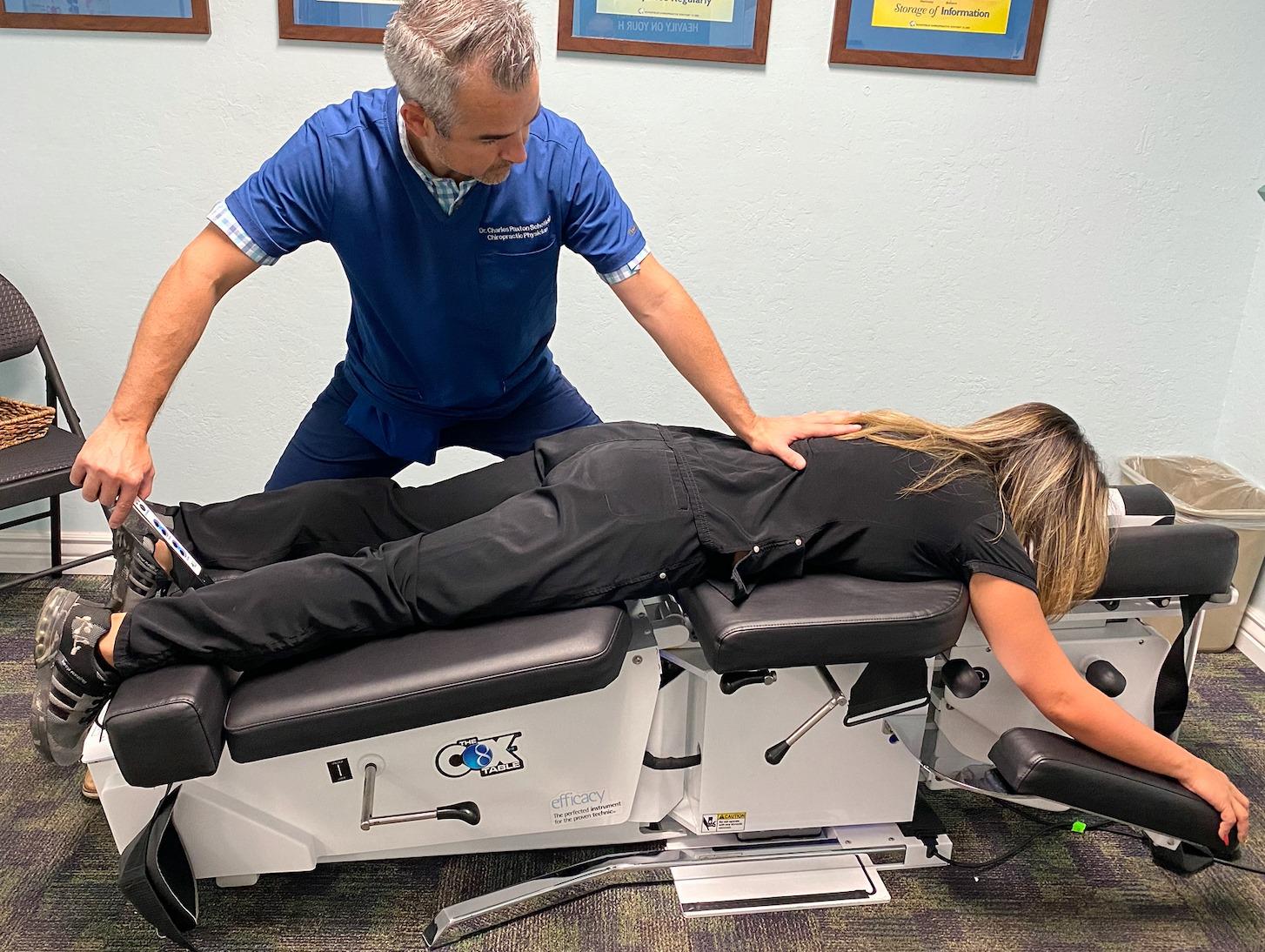
Your care plan may include a combination of strategies depending on your condition and tolerance.
These may include:
The goal is not just to reduce pain, but to help you move more comfortably and stay active.
Spinal stenosis isn’t just about narrowing seen on imaging—it’s about how your body responds to that narrowing.
Our approach focuses on:
By addressing these factors together, many people are able to reduce symptoms and improve their quality of life.