A car accident can impact your body in ways that aren’t always obvious at first. Some people feel pain immediately, while others notice symptoms hours or even days later.
You may experience neck pain, headaches, dizziness, back pain, or a general feeling that your body just isn’t moving the way it should. At Atlas Chiropractic, we take a careful, step-by-step approach. First, we make sure it’s safe to treat. Then we evaluate how the accident may have affected your joints, muscles, nerves, and overall movement.
Our goal is to help you recover properly—not just temporarily feel better.
Whiplash occurs when the head and neck are suddenly forced forward and backward, side to side, or twisted during a collision.
This rapid movement can irritate or strain multiple structures, including:
Because of this, whiplash is often more than just “neck pain.” It can affect how your entire upper body moves and functions.

After a car accident, symptoms can show up in different ways and may change over time.
You may notice:
Some symptoms appear immediately, while others develop gradually over the next few days.
While whiplash is the most common injury, car accidents can affect several parts of the body at once.
Depending on the impact, this may include:
This is why a full evaluation matters—so nothing is overlooked.
Many people expect to feel better quickly after a car accident, especially if imaging doesn’t show a major injury. But recovery isn’t always that simple.
Pain and symptoms after whiplash can be influenced by:
Some people improve within a few weeks, while others need more time and the right type of care to fully recover.

Early evaluation can make a difference in recovery. You should consider getting evaluated if:
Seek immediate medical attention if you experience:
At Atlas Chiropractic, we begin by determining whether your condition is safe and appropriate for conservative care.
We don’t take a one-size-fits-all approach to accident injuries. Your care is based on how your body was affected and how it responds to treatment.
Our process typically includes:
From there, care is progressed based on how your body responds—not a preset schedule.
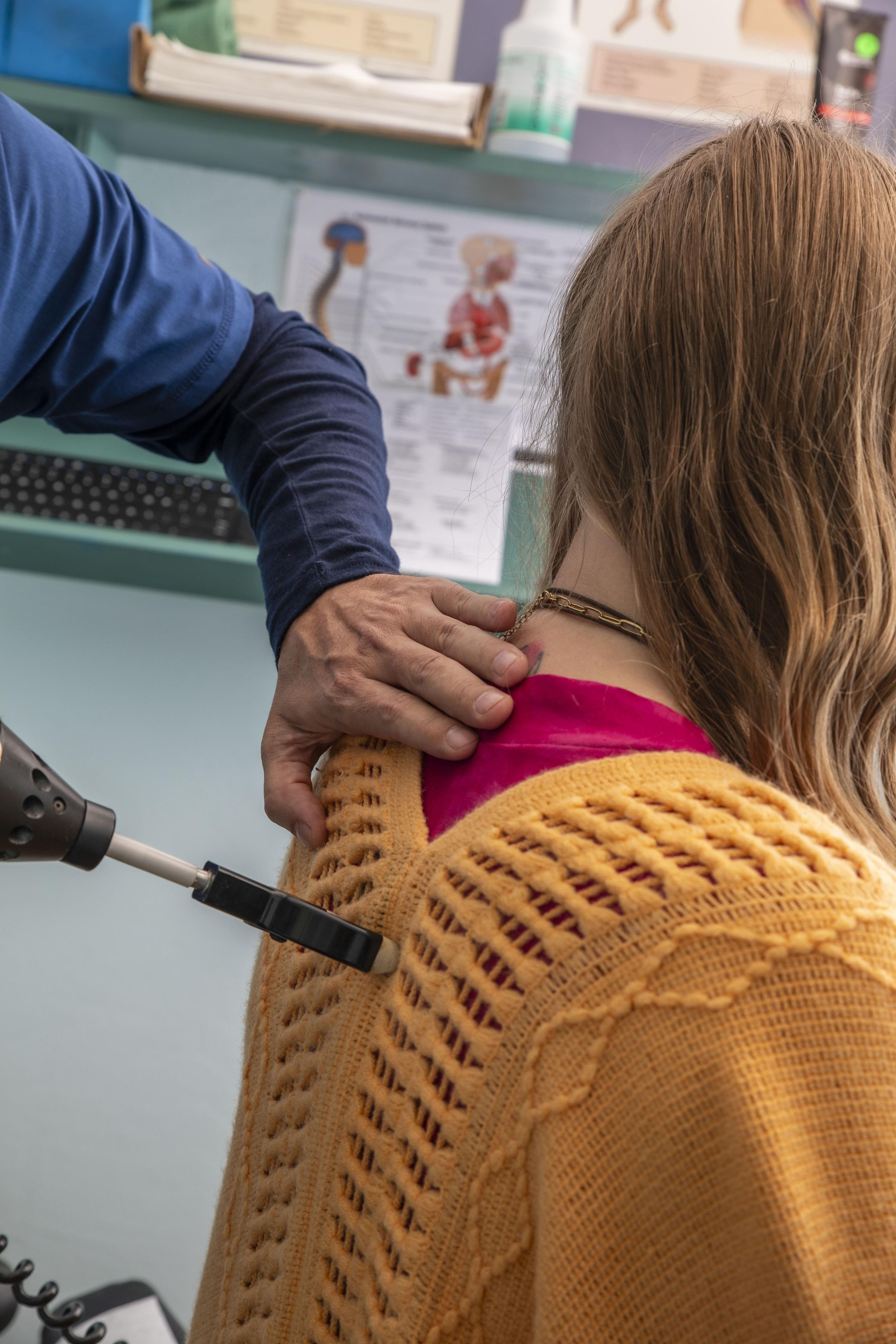
Depending on your condition, your care plan may include a combination of treatments.
These may include:
Care is always adapted to your comfort level and stage of recovery.
Many treatments focus only on short-term symptom relief. While that can help temporarily, it doesn’t always address how the body was affected by the accident.
Our approach focuses on restoring movement, reducing irritation, and helping your body adapt again.
By addressing multiple systems—muscles, joints, nerves, and movement patterns—we help support a more complete and lasting recovery.
