At Atlas Chiropractic, we believe patients deserve clear, honest answers. Traditional spinal manipulation is one tool that may help reduce pain, improve movement, and support better function in the spine and surrounding muscles and joints. It is not magic, and it is not the right choice for everyone. But for the right patient, at the right time, as part of a well-designed care plan, it can be a helpful part of recovery.
From an evidence-informed and holistic perspective, spinal manipulation works best when it is used thoughtfully, safely, and alongside the bigger picture of health, movement, lifestyle, and nervous system function.
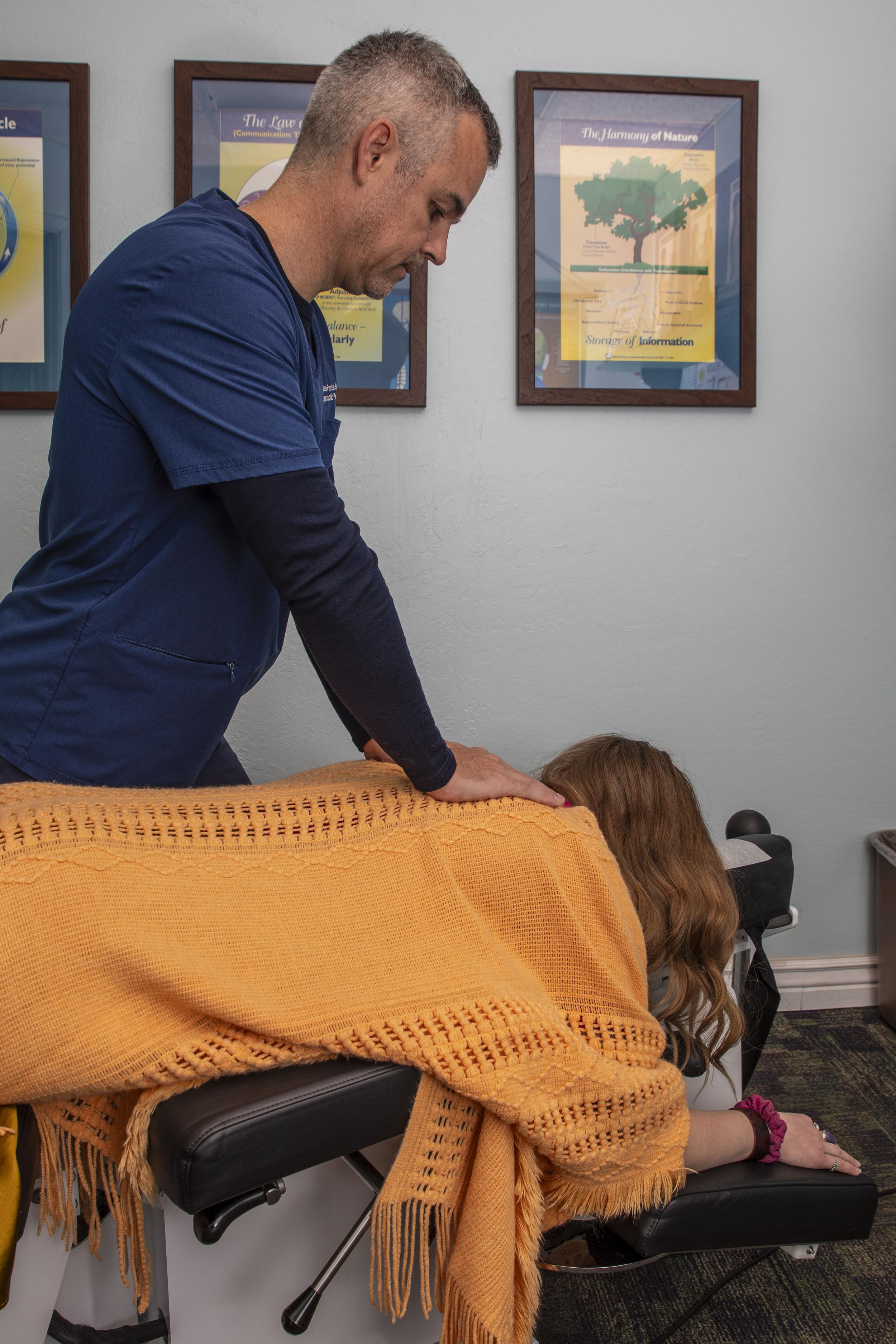
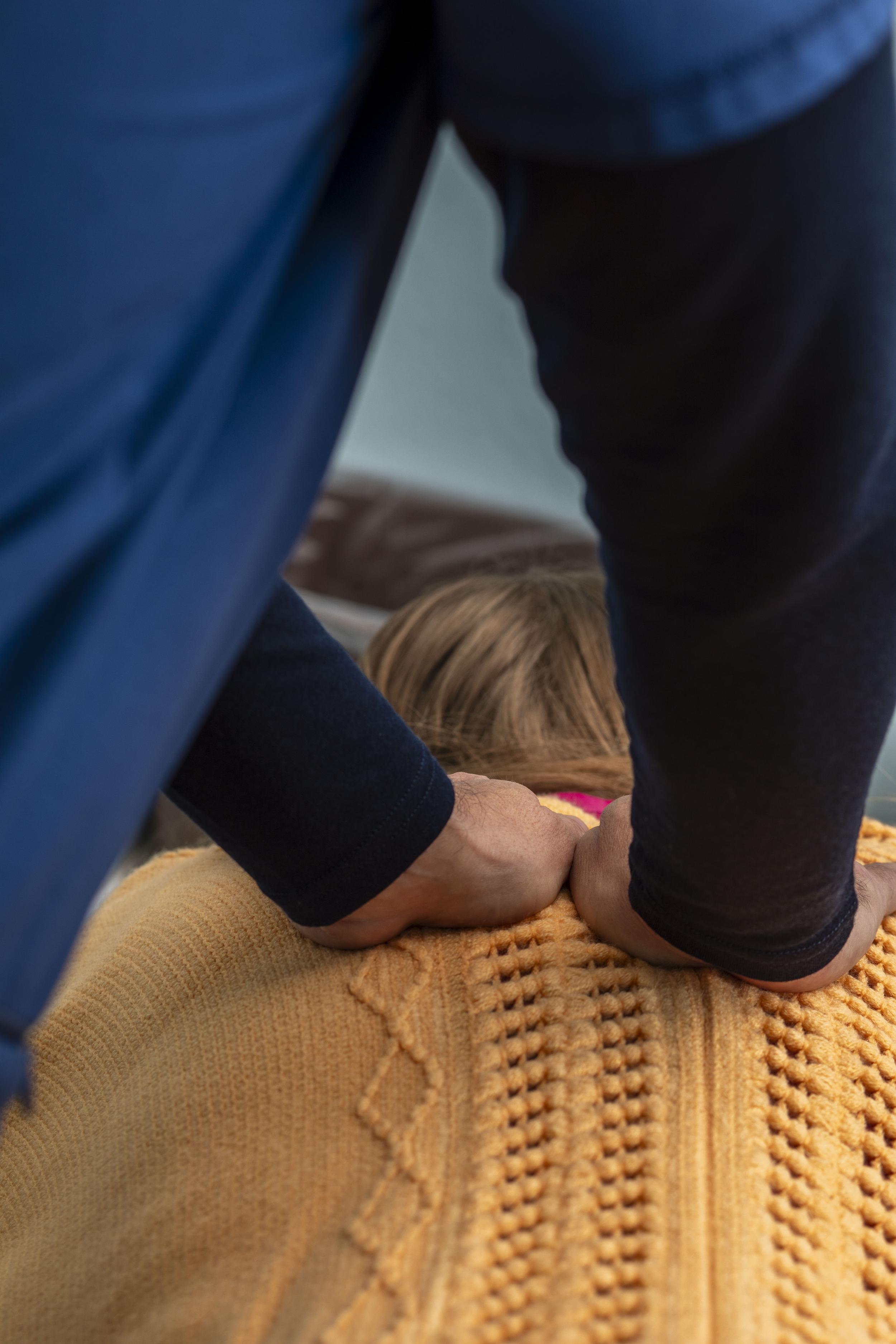
Traditional spinal manipulation is a hands-on treatment used to improve the movement of spinal joints. It typically involves a specific, controlled force applied to a joint that is not moving well. In some cases, you may hear a popping or cracking sound. That sound is simply gas shifting within the joint. It does not mean bones are “going back into place.”
The goal of spinal manipulation is not just to create noise. The goal is to help improve joint motion, reduce irritation, calm protective muscle tension, and make it easier for your body to move more normally.
This type of care is commonly used for people experiencing:
When a spinal joint becomes stiff or irritated, the body often responds with guarding, tension, and compensation. Restoring motion may help reduce stress on nearby tissues and improve how your spine moves during daily activity.
Pain is not only about tissue damage. It is also about how the nervous system processes threat and stress. Spinal manipulation may help change how the brain and nervous system process pain signals, which can reduce discomfort in some patients.
For many people, the real goal is not just less pain. It is being able to turn their head, bend over, sleep better, work, exercise, or get through the day with less limitation. Research suggests spinal manipulative therapy can help improve function, especially for some people with back and neck pain.[1][2][3]
When pain goes down and motion improves, it becomes easier to do the things that really help long-term recovery, like walking, strengthening, mobility work, and retraining better movement patterns.
An evidence-informed approach means being honest about both the strengths and limits of care.
Research shows that spinal manipulative therapy can be a reasonable treatment option for many musculoskeletal spine-related conditions, especially low back pain and neck pain.[1][2][3][4]
For chronic low back pain, a large BMJ systematic review found that spinal manipulative therapy produced outcomes similar to other recommended treatments for pain, with small improvements in function.[1] Another major review found moderate-quality evidence that manipulation and mobilization can reduce pain and improve function in chronic low back pain.[3]
For neck pain, systematic reviews suggest spinal manipulative therapy may help reduce pain and disability in some patients, though the certainty of evidence is lower than we would like.[2] Evidence also suggests that multimodal care — meaning manipulation combined with exercise, education, and other appropriate therapies — may offer the greatest benefit.[5][6]
That matters because at Atlas Chiropractic, we do not view spinal manipulation as a stand-alone miracle treatment. We view it as one part of a broader strategy to help people move better, feel better, and build better long-term resilience.
From a holistic perspective, spinal manipulation is not just about the spine. It is about the relationship between:
A stiff, painful neck or back is rarely just one thing. It is often the result of accumulated stress, repetitive strain, poor movement options, inflammation, deconditioning, or overload.
That is why a good chiropractor should not only ask, “Where does it hurt?”
They should also ask:
At Atlas Chiropractic, we start with safety first. Then we look at the full picture so care can be personalized to the individual, not just the symptom.
Traditional spinal manipulation may be helpful for people with:
It may be especially useful when joint restriction, muscle guarding, and movement dysfunction are part of the problem.
Spinal manipulation is not for everyone.
A responsible, evidence-informed provider should first screen for red flags and determine whether care is safe and appropriate. There are situations where spinal manipulation may need to be modified, delayed, or avoided.
Examples can include:
That is why proper history, examination, and clinical decision-making matter.
At Atlas Chiropractic, we believe the first step is clarity. Before treatment, we want to understand whether you are in the right place, whether further testing is needed, and what type of care makes the most sense for your case.

For appropriately selected patients, spinal manipulation is generally considered safe, and most side effects tend to be mild and temporary, such as soreness or stiffness after treatment.[1][2][3]
That said, no treatment is completely risk-free. Good care means screening for risk factors, using the right technique for the right person, and communicating clearly about what to expect.
This is one reason Atlas Chiropractic takes a personalized approach. Not every patient needs the same style, force, or frequency of treatment.
Many patients are nervous before their first adjustment because they do not know what to expect.
A traditional spinal manipulation is usually quick and targeted. You may feel:
Some patients feel better right away. Others feel mildly sore for a day or two, similar to how you might feel after starting a new workout. Your early response can help guide what kind of care your body responds to best.
Sometimes it helps a lot on its own, especially in more straightforward cases.
But in many real-world cases, the best outcomes come from combining spinal manipulation with other supportive strategies, such as:
Research increasingly supports this kind of multimodal approach, especially for ongoing neck and back pain.[5][6]
That matches our philosophy at Atlas Chiropractic. We want to help you get relief, but we also want to help you build capacity so the problem is less likely to keep coming back.
Not all chiropractic care looks the same.
Traditional spinal manipulation often uses a more classic hands-on adjustment to restore motion in areas of the spine that are stiff or irritated. Other approaches may use:
At Atlas Chiropractic, the question is never, “What technique do we like best?”
The real question is, “What type of care best fits this patient’s needs, goals, and clinical presentation?”
That is the heart of evidence-informed, patient-centered care.

If you are researching whether chiropractic care may help, these are some of the most common conditions people ask us about:
Each condition is different, and not every case should be treated the same way. That is why evaluation matters.

At Atlas Chiropractic, traditional spinal manipulation is one tool within a broader system of care.
Our approach is built around:
We believe you deserve more than a quick crack and a rushed visit. You deserve a plan that makes sense.
It is most commonly used for low back pain, neck pain, some headaches, joint stiffness, and other musculoskeletal spine-related conditions.
For properly screened patients, spinal manipulation is generally considered safe. Most side effects are mild and temporary, such as soreness or stiffness.
Research suggests spinal manipulative therapy can be a reasonable option for many people with low back pain and neck pain, especially when used as part of a broader treatment plan.[1][2][3]
No. Spinal manipulation is not about “putting bones back in.” It is a treatment designed to improve joint motion, reduce irritation, and support better nervous system and movement function.
Traditional spinal manipulation is a conservative, non-drug, non-surgical treatment that may help reduce pain, improve motion, and restore function for the right patient. The research supports it as a reasonable option for many spine-related musculoskeletal conditions, especially low back and neck pain.[1][2][3][4]
From a holistic perspective, though, it should not be viewed as a stand-alone fix. The best care looks at the whole person: movement, stress, lifestyle, recovery, strength, and nervous system function.
If you are dealing with pain, stiffness, headaches, or recurring spinal issues, the first step is not guessing. The first step is getting the right evaluation and making sure your care plan fits your needs.
At Atlas Chiropractic, that is exactly where we start.
[1] Benefits and harms of spinal manipulative therapy for the treatment of chronic low back pain: systematic review and meta-analysis of randomised controlled trials — Rubinstein et al., 2019, The BMJ, cited by 257.
[2] Benefits and harms of Spinal Manipulative Therapy for treating recent and persistent nonspecific neck pain: a systematic review with meta-analysis — Minnucci et al., 2023, Journal of Orthopaedic & Sports Physical Therapy, cited by 13.
[3] Manipulation and mobilization for treating chronic low back pain: a systematic review and meta-analysis — Coulter et al., 2018, The Spine Journal, cited by 196.
[4] Chiropractic and Spinal Manipulation: A Review of Research Trends, Evidence Gaps, and Guideline Recommendations — Trager et al., 2024, Journal of Clinical Medicine, cited by 4.
[5] Manipulation and Mobilization for Treating Chronic Nonspecific Neck Pain: A Systematic Review and Meta-Analysis for an Appropriateness Panel — Coulter et al., 2019, Pain Physician, cited by 111.
[6] Effectiveness of musculoskeletal manipulations in patients with neck pain: a systematic review and network meta-analysis — Gong et al., 2025, BMJ Open, cited by 0.
